
Sealed Automotive Connectors vs Unsealed Connectors: Which Do You Need?
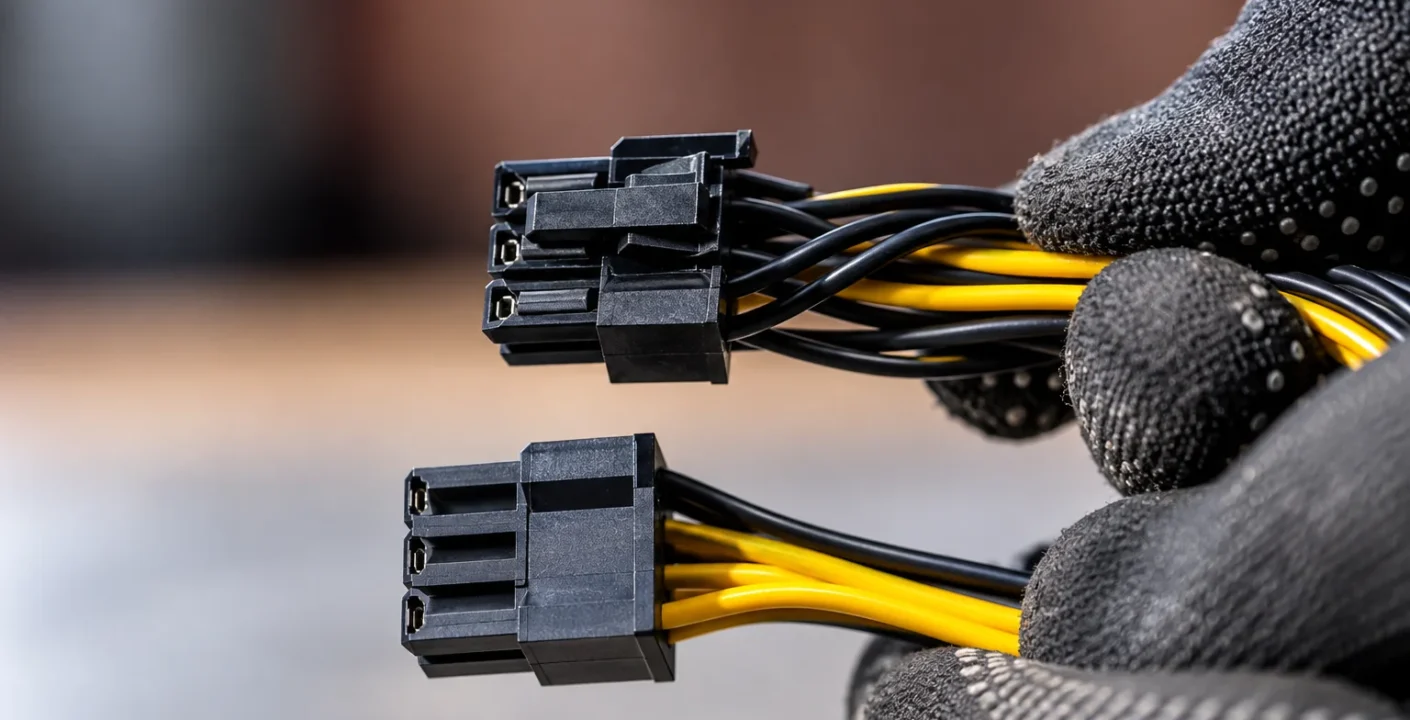
Sealed automotive connectors protect electrical connections where wiring may be exposed to water, dust, oil, heat, vibration and other contaminants. Unsealed connectors are generally better suited to dry, protected locations.
Choosing between the two starts with the installation environment. If a connection may face moisture, dirt or other contaminants, a sealed connector can provide additional protection. In protected areas such as vehicle cabins, dashboards and enclosed control boxes, an unsealed connector may be suitable.
You also need to consider circuit current, wire size, number of pins, operating temperature and installation conditions.
This guide compares sealed and unsealed automotive connectors and explains how to choose between them for vehicle, trailer, caravan and machinery wiring projects.
What Is a Sealed Automotive Connector?
A sealed automotive connector uses seals and a fitted housing to help limit water, dirt and other contaminants from reaching the electrical connection.
A typical sealed connector may include:
- Male and female housings
- Crimp terminals or pins
- Individual wire seals
- An interface or perimeter seal
- Primary terminal locks
- A secondary locking mechanism
- A connector latch
Wire seals fit around the insulation at the rear of each terminal cavity. The interface seal sits between the two connector housings when they are joined.
Sealed connectors are commonly used in exposed locations such as:
- Engine bays
- Wheel areas
- Underbody wiring
- External lighting circuits
- Machinery wiring
Correct assembly matters. The seals, terminals and locking components need to be installed correctly for the sealing system to work as intended.
What Is an Unsealed Automotive Connector?
An unsealed automotive connector provides an electrical and mechanical connection without a dedicated environmental sealing system.
Common examples include:
- Standard blade terminals
- Multi-pin plastic plugs
- Interior harness connectors
- Relay and fuse-box connections
- Speaker connectors
- Basic accessory plugs
- Open terminal blocks
The housing may provide some physical protection, but moisture, dust and other contaminants can still reach the terminal area.
Unsealed connectors are generally suited to dry, protected locations such as:
- Vehicle cabins
- Dashboards
- Enclosed control boxes
- Protected equipment housings
Sealed and Unsealed Connectors Compared
The main difference is how well each connector type suits environmental exposure. Sealed connectors provide additional protection for exposed connections, while unsealed connectors are generally better suited to protected areas.
| Feature | Sealed Automotive Connectors | Unsealed Automotive Connectors |
| Water protection | Designed to limit water entry when correctly assembled | Limited protection |
| Dust protection | Suitable for dusty or dirty environments when appropriately rated | Better suited to clean locations |
| Typical locations | Engine bays, underbody, exterior wiring and machinery | Cabins, dashboards and enclosed compartments |
| Components | Housing, terminals, seals and locking systems | Housing and terminals |
| Assembly | Requires careful seal and terminal installation | Usually simpler to assemble |
| Size | May be larger due to sealing components | Often more compact |
| Cost | Usually higher | Usually lower |
| Best suited to | Exposed installations | Protected circuits |
Environmental protection is only one part of the decision. The connector must also suit the electrical and physical requirements of the installation.
How to Choose Between Sealed and Unsealed Automotive Connectors
Choose the connector around the conditions it will face in service. Connections exposed to water, road spray, mud, dust, oil or other contaminants may require a sealed connector designed for that environment. In a dry, protected location, an unsealed connector may be suitable.
Environmental protection ratings provide a useful indication of how electrical equipment is suited to these conditions. Resources Safety & Health Queensland specifies a minimum IP5X rating for electrical enclosures used in high-dust environments and advises that ingress protection should be selected according to the conditions where the equipment operates.
Then check the electrical and installation requirements:
- Circuit current: Make sure the connector and terminals suit the electrical load.
- Wire size: Match the terminals and, where applicable, wire seals to the cable being used.
- Number of pins: Choose enough positions for all required circuits.
- Operating temperature: Check that the connector is suitable for temperatures in its installed location.
- Installation conditions: Account for moisture, dirt, vibration and other contaminants the connection may encounter.
Do not assume every sealed connector provides the same level of environmental protection. Check the relevant connector specifications for the application.
Correct assembly matters too. Install the terminals, seals and locking components correctly so the connector can perform as intended.
When Should You Use Sealed Automotive Connectors?
Sealed automotive connectors are suited to wiring locations where connections may be exposed to moisture, dust, mud, oil or cleaning chemicals.
Two common examples are engine-bay and underbody wiring.
Engine Bays
Engine-bay wiring may be exposed to heat, vibration, water spray, oil mist and road contaminants, making connector selection particularly important.
Sealed connectors can be used for:
- Sensors
- Cooling fans
- Auxiliary lights
- Electric pumps
- Solenoids
- Relays
- Ignition components
- Aftermarket accessories
Temperature also needs to be considered. Choose a connector with a temperature rating suitable for its installation location. Areas close to exhaust components, turbochargers or other engine heat sources may require components designed for higher temperatures.
Underbody Wiring
Underbody connections may encounter water, road grime, mud and debris.
Sealed connectors are commonly used for:
- Fuel-system components
- Electric steps
- Trailer connections
- Tank sensors
- Differential equipment
- Chassis-mounted accessories
- Underbody lighting
Protect the rest of the wiring as well as the connector. Suitable conduit, clips and abrasion-resistant sleeving can help support and protect wiring in exposed locations.
Sealed or Unsealed: Which Connector Should You Choose?
Use the installation environment as the starting point. If the connection will be exposed to moisture, dirt or other contaminants, consider a sealed connector designed for those conditions. For dry, protected wiring, an unsealed connector may be sufficient.
Whichever type you choose, check that the connector, terminals and related components suit the circuit current, wire size, temperature and physical conditions of the installation. Correct component selection and assembly are just as important as choosing between sealed and unsealed designs.