
How to Choose Automotive Electrical Connectors
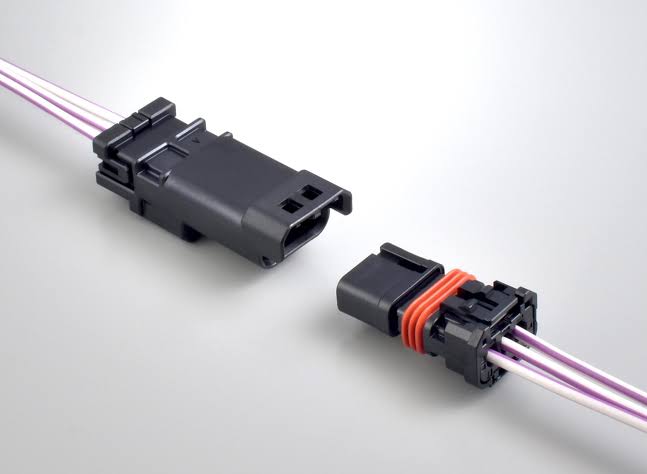
Automotive electrical connectors may be small, but they play an important role in a vehicle’s electrical system. They create removable connections between wires, switches, lights, relays, sensors, accessories and other components.
Choosing the right connector involves more than matching the number of wires. You also need to consider the current load, wire size, operating environment, terminal type, sealing and how often the connection may need to be disconnected.
A connector fitted behind a dashboard faces very different conditions from one mounted underneath a 4WD or inside an engine bay.
This guide explains how to choose automotive electrical connectors for cars, 4WDs, trailers, caravans and other automotive electrical applications.
What Are Automotive Electrical Connectors?
An automotive electrical connector joins two or more parts of an electrical circuit while allowing them to be separated when required.
Depending on the connector system, it may include:
- Male and female housings
- Electrical terminals or pins
- Locking mechanisms
- Wire seals
- Secondary locks
- Protective boots or covers
The exact construction varies between connector types.
Some connectors suit simple circuits in protected areas. Others are designed for installations exposed to vibration, moisture, dirt and changing temperatures.
KP Automotive’s Connectors and Pins range includes Weather Pack-style connectors, male and female quick-connect terminals, connector housings, relay sockets and related electrical components.
Start With the Electrical Circuit
Before choosing a connector, establish what the connection needs to do.
Ask:
- What component will the connector supply?
- What is the circuit voltage?
- How much current will flow through the connection?
- What wire size is being used?
- How many separate circuits need to pass through the connector?
- Where will the connector be installed?
- Will it need to be disconnected regularly?
These questions help narrow the choice to connectors that suit the circuit, cable and installation environment.
A two-wire connection for a small light has different requirements from a multi-wire harness or a higher-current power connection.
Match the Connector to the Current Load
The terminals inside a connector need to carry the expected electrical load without creating excessive resistance or heat.
Higher-current circuits generally require conductors and terminals suited to the load, while smaller signal circuits may use more compact components.
Treat the connector as part of the complete electrical circuit. Check:
- Maximum operating current
- Wire conductor size
- Terminal compatibility
- Connector specifications
- Fuse or circuit breaker requirements
- Whether the load is continuous or intermittent
Do not assume connectors with a similar physical size have the same electrical capabilities.
Where current capacity is important, check the manufacturer’s specifications for the connector and terminals being installed.
Match the Terminal to the Wire Size
The terminal needs to suit the conductor being crimped.
A terminal designed for a larger wire may not grip a smaller conductor correctly. A terminal that is too small may damage the conductor or prevent correct installation.
A reliable connection depends on each component being compatible:
Wire → terminal → connector housing → mating connector
This is especially important with structured connector systems, where terminals are designed to lock into a particular housing.
Choosing the correct terminal helps create a secure crimp and reduces the risk of loose or intermittent connections later.
Choose the Correct Number of Pins
Automotive connectors are available with different numbers of circuits or positions.
Common configurations include:
- 1 pin
- 2 pin
- 3 pin
- 4 pin
- 6 pin
- 8 pin
- Larger multi-pin configurations
The correct number depends on how many separate electrical connections need to pass through the connector.
A two-pin connector may suit a simple positive and negative circuit. A three-pin connector can accommodate an additional signal or switching circuit. Larger multi-pin connectors allow several related circuits to be grouped into one harness connection.
KP Automotive supplies Weather Pack-style connectors in several circuit configurations and genuine Deutsch connector kits in 2, 3, 4, 6 and 8-pin options.
Grouping related circuits in a multi-pin connector can also make wiring neater and easier to service.
Choose Automotive Connectors for the Installation Environment
The installation environment is one of the most important factors in connector selection.
Inside the Cabin
Connections behind the dashboard or elsewhere inside the cabin are generally better protected from water, dirt and road debris.
Depending on the circuit, standard connector housings or quick-connect terminals may be suitable.
Accessibility still matters. If a connection may need servicing later, position it where it can be disconnected without placing unnecessary strain on the wiring.
Engine Bay
Engine bay connectors may be exposed to:
- Heat
- Vibration
- Oil
- Moisture
- Dust
- Repeated heating and cooling
A more robust connector system may be appropriate in these locations.
Cable support also matters. The wiring should not place continual tension on the connector or terminals.
Underbody and Exterior Areas
Connectors mounted underneath a vehicle, near wheel arches or in other exposed positions may encounter water, mud and road debris.
A sealed automotive connector system may be better suited to these environments, provided it also meets the electrical and installation requirements of the circuit.
Trailers and Caravans
Trailer and caravan wiring can be exposed to:
- Rain
- Dust
- Mud
- Road vibration
- Repeated coupling and uncoupling
- Physical movement
Connector sealing, locking and cable protection should be considered together.
Sealed vs Unsealed Automotive Connectors
Sealed connector systems include features intended to reduce the entry of moisture and contaminants around the electrical contacts.
Depending on the design, these features may include:
- Individual wire seals
- Housing seals
- Locking mechanisms
- Protective connector bodies
The importance of protecting automotive electrical connections from moisture is illustrated by an Australian Government vehicle recall involving 102,616 Mitsubishi Tritons. The recall found that incorrectly installed towbar wiring harnesses could allow liquids to contact electrical circuits, potentially causing the harness and surrounding components to overheat, burn or catch fire.
Sealed connectors are commonly considered for engine bays, external lighting, trailers, 4WD accessories and other exposed installations.
Choose the level of protection based on the actual installation conditions and the specifications of the connector being considered.
Common Types of Automotive Electrical Connectors
Different connector styles suit different types of automotive wiring.
| Connector Type | Common Use | Main Selection Consideration |
| Quick-connect terminals | Switches, relays and general electrical connections | Terminal size, wire size and installation protection |
| Multi-pin housings | Wiring harnesses and grouped circuits | Number of circuits and compatible terminals |
| Weather-resistant connectors | Wiring exposed to moisture or contamination | Environment, sealing and electrical requirements |
| Deutsch connectors | Multi-pin automotive and equipment connections | Connector type, position count, terminals and wire size |
| Relay sockets | Relay installation and replacement | Relay configuration, wire size and circuit requirements |
| Plug-and-socket connectors | Removable accessories and harness connections | Electrical load, compatibility and servicing needs |
This table is a starting point only. Final connector selection should still consider the complete circuit and installation environment.
Quick-Connect Terminals and Housings
Quick-connect terminals are widely used in automotive wiring.
Male and female terminals create a removable electrical connection and may be installed individually or inside compatible connector housings.
KP Automotive supplies male and female quick-connect terminals in several sizes, along with multi-position connector housings.
They may be useful for:
- Switch connections
- Relay circuits
- Replacement harnesses
- Lighting
- Accessory wiring
- General automotive electrical repairs
Check the terminal dimensions and compatible wire size before installation.
Weather-Resistant Connectors
Weather-resistant connector systems can provide additional protection where moisture and contamination are concerns.
KP Automotive supplies Weather Pack-style connector sets in several circuit configurations, including 1, 2, 3 and 4-circuit options.
These systems provide a structured way to create removable connections in wiring that may be exposed to harsher conditions.
Potential applications include:
- Auxiliary lighting
- Trailer wiring
- Engine bay accessories
- External vehicle equipment
- 4WD accessories
- Replacement wiring harnesses
Check the connector against the electrical load, wire size and actual installation environment before use.
Deutsch Connectors
Deutsch connectors are widely used in automotive, transport and equipment wiring where an organised multi-pin connection is required.
Their modular construction can make them useful for wiring harnesses that need secure, removable connections.
KP Automotive supplies genuine Deutsch connector kits with solid terminals in 2, 3, 4, 6 and 8-pin configurations. The range also includes a Deutsch-compatible crimping tool.
A typical connection can include:
- Connector housing
- Mating housing
- Male and female contacts
- Seals
- Locking components
Choose the connector by matching the connector type, number of positions, terminal type and wire size.
Avoid mixing components unless they are specifically designed to work together.
Relay Sockets and Electrical Connectors
Relays are commonly used in automotive electrical systems because they allow a switching circuit to control another electrical load.
Relay sockets provide an organised way to connect a relay to the wiring harness.
KP Automotive’s Connectors and Pins range includes sockets for different automotive relay applications.
When choosing a relay socket, consider:
- Relay terminal configuration
- Circuit requirements
- Wire size
- Number of terminals
- Relay type
- Mounting requirements
Using a compatible socket can also make future relay replacement easier.
Connector Housing Shape Matters
Two connectors can have the same number of pins and still be incompatible.
Housing designs may differ in:
- Shape
- Keying
- Terminal position
- Locking tabs
- Terminal size
- Seal arrangement
If you are replacing an existing connector, compare the original carefully rather than choosing by pin count alone.
Check:
- Number of positions
- Male or female housing
- Terminal dimensions
- Housing shape
- Lock position
- Wire size
- Connector type or series
Clear photographs and measurements can also help when identifying an unfamiliar connector.
Use the Correct Crimping Tool
A suitable connector can still perform poorly if the terminal is incorrectly crimped.
The crimping tool should match the type of terminal being installed.
A correctly formed crimp should hold the conductor securely without cutting through the strands or leaving the wire loose.
Depending on the terminal design, the crimp may also need to secure:
- The electrical conductor
- The wire insulation or seal
Some terminals require specialised tooling.
KP Automotive supplies electrical tools alongside its connectors, including a crimping tool intended for Deutsch connector applications.
Check the Connection Before Installation
Inspect the completed connector before putting it into service.
Check that:
- Terminals are fully inserted
- Locks have engaged
- Wires cannot pull easily from the housing
- Male and female halves mate correctly
- Seals are positioned correctly
- No unnecessary bare conductor is exposed
- Wiring is supported near the connector
A light pull test can help identify a poorly crimped or incorrectly seated terminal before the wiring is installed.
Electrical testing may also be appropriate depending on the circuit and application.
Avoid Strain on the Connector
A connector should join the electrical circuit. It should not support the weight of the wiring harness.
Allow enough cable length to prevent tension on the connector while avoiding large unsupported loops.
Cable ties, clips, mounts and protective sleeving can help support the harness.
This is particularly important in areas exposed to vibration. Repeated movement close to the connector can place unnecessary stress on the conductor or terminal over time.
Common Automotive Connector Selection Mistakes
Choosing by Appearance Alone
Similar-looking connectors may use different terminals, locking systems or electrical specifications.
Identify the connector requirements before ordering.
Ignoring Wire Size
The housing may appear correct while the terminals are unsuitable for the conductor.
Check wire and terminal compatibility as well as the housing.
Using an Unsealed Connector in an Exposed Area
The installation environment should influence connector selection.
Where water, dirt or contamination are likely, consider a connector system designed for those conditions.
Incorrect Crimping
Poor crimps can create resistance, intermittent faults or complete circuit failure.
Use terminals and crimping tools intended to work together.
Mixing Incompatible Components
Pins, sockets, housings, seals and locking components are usually designed around particular connector systems.
Use compatible parts throughout the connection.
Selecting Too Few Circuits
Choose a connector with enough positions for the circuits the installation requires.
Where future expansion is genuinely expected, an additional unused position may provide flexibility, provided the connector system remains suitable for the application.
Automotive Connector Selection Checklist
Before ordering an automotive electrical connector, work through these checks:
- Circuit: What component is being connected?
- Voltage: What voltage does the system use?
- Current: What is the maximum circuit load?
- Wire: What conductor size is being used?
- Pins: How many separate circuits are required?
- Environment: Will the connector be protected or exposed?
- Sealing: Does the installation require a sealed connector?
- Terminals: Are compatible terminals available?
- Tooling: Do you have the correct crimping tool?
- Servicing: Will the connector need to be disconnected regularly?
Working through these points before ordering can eliminate much of the guesswork.
How to Choose the Right Automotive Electrical Connector
The right automotive electrical connector needs to suit three things: the circuit, wire and installation environment.
Start with the circuit load, wire size and number of connections required. Then consider where the connector will be installed. Protected cabin wiring may have different requirements from connections exposed to engine bay heat, vibration, moisture, dirt or road debris.
Before ordering, confirm:
- Pin or circuit count
- Wire size
- Compatible terminals
- Circuit requirements
- Sealing requirements
- Connector housing and mating half
- Required crimping tool
KP Automotive supplies automotive electrical connectors and pins, including quick-connect terminals, connector housings, Weather Pack-style connectors, relay sockets and genuine Deutsch connector kits.
Choose the connector as a complete system rather than selecting the housing alone. Matching the wire, terminals, connector housing, mating half and crimping method helps create a connection that fits correctly and is easier to inspect and service.