
What Size Automotive Wire Do I Need?
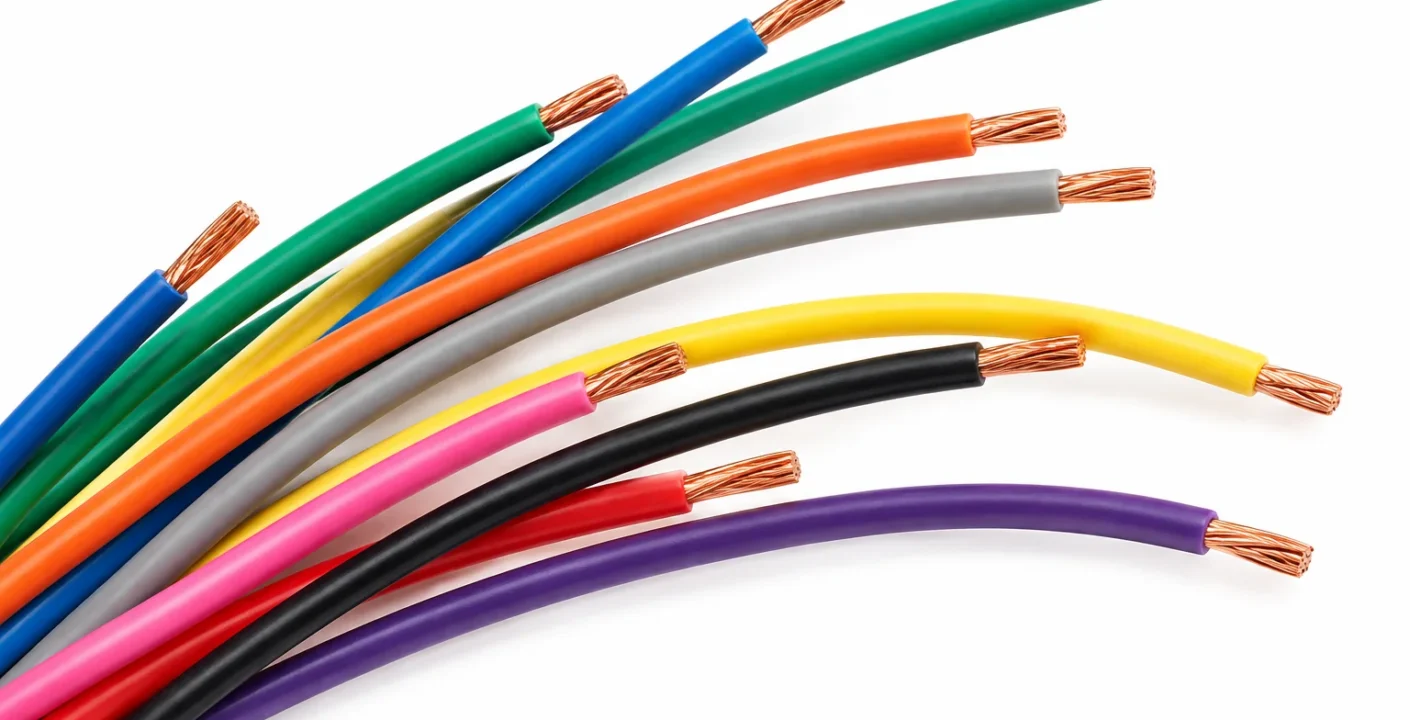
Automotive wire size affects how reliably electrical components receive the voltage and current they need. Wire that is too small can create excessive voltage drop, heat build-up and poor equipment performance. In severe cases, it can damage wiring or create a fire risk.
The correct automotive wire size depends on four main factors:
- The current drawn by the component
- The total length of the electrical circuit
- The system voltage
- The acceptable voltage drop
This guide explains how to assess each factor and choose a suitable wire size for common automotive, caravan, trailer, marine and machinery applications.
What Does Automotive Wire Size Mean?
Automotive wire size is commonly specified by the cross-sectional area of the copper conductor, measured in square millimetres or mm². A larger conductor has less electrical resistance and can carry more current over a given distance.
Cable may also be labelled using:
- Conductor area in mm²
- American Wire Gauge or AWG
- Battery and starter cable sizes
- A nominal automotive cable size
Australian automotive cable labels can create confusion. A cable sold as “4mm automotive cable” may not contain 4mm² of copper. The stated measurement may refer to the approximate outside diameter of the cable, including its insulation.
Always check the actual conductor area in the product specifications before selecting terminals, calculating voltage drop or comparing cables.
Why Automotive Wire Size Matters
Automotive wire size affects electrical resistance and voltage drop. Resistance increases as the conductor becomes smaller or the circuit becomes longer, causing part of the available voltage to be lost before it reaches the connected device.
Excessive voltage drop can cause:
- Dim lights
- Slow electric motors
- Unreliable fridge operation
- Weak compressor performance
- Incorrect sensor readings
- Reduced charging current
- Amplifier distortion
- Premature equipment failure
- Heat at cables, terminals and connectors
Low-voltage automotive systems are particularly sensitive to voltage loss. A one-volt drop represents a much larger percentage of a 12V supply than it does in a higher-voltage system.
These relationships are recognised in Australian automotive electrical training requirements. The Australian Government’s National Training Register includes the relationship between current flow and required wire gauge, as well as voltage drop, resistive load and circuit current, among the required knowledge for automotive electrical circuits and wiring systems.
Correct wire sizing supports reliable operation while allowing the fuse or circuit breaker to provide suitable circuit protection.
Start With the Component’s Current Draw
Automotive wire size selection starts with establishing the maximum current the connected component will draw.
This information may appear:
- On the product label
- In the installation manual
- On the manufacturer’s website
- In the vehicle wiring diagram
- In the product specifications
Current is measured in amperes, usually shown as A or amps.
Use the maximum continuous current when sizing a circuit. Motors, pumps, compressors and some lighting equipment can draw a higher current during start-up, so the cable may need to accommodate both continuous and surge demand.
If the device only lists watts, current can be estimated using:
Current (A) = Power (W) ÷ Voltage (V)
For example, a 120W accessory operating on a 12V supply draws approximately:
120W ÷ 12V = 10A
Real operating voltage and equipment efficiency can affect the final current. Use the manufacturer’s specified current where it is available.
Measure the Complete Circuit Length
Automotive wire size also depends on the total circuit length. Longer circuits usually require a larger conductor to control voltage drop.
For a two-wire circuit, include both the positive and negative cable runs. A device located five metres from the battery may have a total circuit length of ten metres:
- Five metres from the battery to the device
- Five metres from the device back to the battery
If the vehicle chassis is used as the return path, consider the length and condition of the earth path, its connection points and the resistance introduced by each joint.
Measure the intended cable route rather than the straight-line distance. The installed cable may need to pass through the engine bay, cabin, chassis, canopy or trailer body.
Allow for Voltage Drop
Automotive wire size has a direct effect on voltage drop, which is the voltage lost as current passes through the cable and its connections.
A basic copper wire calculation is:
Voltage drop = total circuit length × current × 0.017 ÷ conductor area
Where:
- Voltage drop is measured in volts
- Total circuit length is measured in metres
- Current is measured in amps
- Conductor area is measured in mm²
- 0.017 is the approximate resistivity value for copper at 25°C
REDARC’s copper wire calculation also notes that cable temperature and the way cable sizes are labelled can affect the result.
Example Calculation
Consider a 12V accessory that draws 10A and uses eight metres of cable across the complete positive and negative circuit.
Using 4mm² copper cable:
8 × 10 × 0.017 ÷ 4 = 0.34V
The percentage voltage drop is:
0.34 ÷ 12 × 100 = 2.83%
Increasing the conductor to 6mm² reduces the calculated drop:
8 × 10 × 0.017 ÷ 6 = 0.23V
This example shows how increasing the conductor size can reduce voltage loss without changing the current or cable length.
How Much Voltage Drop Is Acceptable?
The acceptable voltage drop depends on the equipment and its manufacturer’s requirements.
Sensitive electronics, charging systems and equipment with high start-up demand generally need tighter voltage control. General accessory circuits may tolerate a greater drop.
Common design targets for 12V and 24V systems include:
- Around 2% for sensitive electronics and charging circuits
- Around 3% for lighting and frequently used accessories
- Up to 5% for selected non-critical loads where the manufacturer permits it
These percentages are general design references rather than universal limits. Follow the equipment manufacturer’s instructions whenever a maximum cable length, conductor size or allowable voltage drop is specified.
At 12V, a 3% drop equals 0.36V. At 24V, the same percentage equals 0.72V.
General Automotive Wire Size Guide
The table below provides broad starting points for short copper cable runs. It is not a fixed amp-rating chart, and the final automotive wire size must also account for circuit length, voltage drop, cable construction, ambient temperature, bundling and installation conditions.
| Typical Current | Suggested Starting Conductor Size |
| Up to 5A | 1.0mm² |
| 5A to 10A | 1.5mm² |
| 10A to 15A | 2.5mm² |
| 15A to 25A | 4mm² |
| 25A to 35A | 6mm² |
| 35A to 50A | 10mm² |
| 50A to 70A | 16mm² |
| 70A to 100A | 25mm² |
Do not select cable from current alone. A conductor that is suitable for a short accessory circuit may be undersized for a longer circuit carrying the same current because of voltage drop.
Before installation, calculate the voltage drop across the complete circuit and check the cable manufacturer’s current rating and installation requirements.
Common Automotive Applications
Automotive wire size requirements vary considerably between applications because current draw, circuit length and operating conditions differ.
LED Lights
Individual LED lights often draw relatively low current, although a complete light bar or multiple lamps can place a larger load on the circuit.
Add the current draw of every light operating on the circuit. Size the cable for the combined load and install an appropriate relay if the switch is unsuitable for the full current.
Long cable runs to rear work lights or trailer lighting may require a larger conductor to control voltage drop.
Electric Brakes and Trailer Circuits
Trailer wiring can involve a long electrical path from the tow vehicle battery to the trailer axle, lights, battery or accessories.
Include the complete return length in the calculation. Cable size is particularly important for electric brake circuits, charging cables and high-current trailer accessories.
Connections, trailer plugs and earth points should also be rated for the circuit current.
Fridges
A compressor fridge may draw a moderate operating current and a higher current when the compressor starts. Voltage drop can prevent reliable start-up even when the measured battery voltage appears adequate.
Use the cable size recommended by the fridge manufacturer and calculate the complete positive and negative route. Long runs to a canopy, caravan or camper often require a larger conductor.
Driving Lights and Light Bars
Driving lights and light bars should usually be supplied through a relay with a fuse positioned close to the power source.
Size the supply cable for the combined current of the lights. The switching wire can often be smaller because it only operates the relay coil, subject to the relay and installation requirements.
Air Compressors and Winches
Compressors and winches can draw substantial current, especially under load. These applications frequently require heavy battery cable, suitable lugs and secure high-current connections.
Use the cable size and fuse protection specified by the equipment manufacturer. Starter, winch and battery circuits should be assessed by a qualified auto electrician when the required sizing or installation method is unclear.
Dual-Battery Systems and DC-to-DC Chargers
Charging circuits can carry high current across long distances. Cable size affects both voltage drop and the charger’s ability to operate correctly.
Follow the charger manufacturer’s installation chart for:
- Input cable size
- Output cable size
- Maximum cable length
- Fuse or circuit-breaker rating
- Earth cable requirements
Include the complete cable length between the batteries and charging equipment.
Does a 24V System Need the Same Wire Size?
Automotive wire size requirements can differ between 12V and 24V systems because a 24V system generally draws less current than a 12V system when supplying the same amount of power.
For example:
- A 240W load draws approximately 20A at 12V
- A 240W load draws approximately 10A at 24V
The lower current can reduce voltage drop and cable-size requirements. The wire still needs to be sized according to the actual current, circuit length, acceptable voltage drop and installation conditions.
Factors That Can Require a Larger Cable
Calculated automotive wire size is only part of the selection process. Installation conditions can increase resistance or reduce the cable’s safe current-carrying capacity.
Consider using a larger conductor where the cable:
- Runs through a hot engine bay
- Sits close to an exhaust or heat source
- Is bundled with other loaded cables
- Passes through conduit or enclosed spaces
- Supplies equipment with a high starting current
- Operates continuously for long periods
- Forms part of a long caravan or trailer circuit
- May support future accessories
- Uses several connectors or junction points
Connections also affect circuit performance. Poor crimps, loose terminals, corrosion and unsuitable connectors can create resistance even when the cable itself is correctly sized.
Fuse the Circuit to Protect the Cable
Automotive wire size and circuit protection need to work together. A fuse or circuit breaker is installed primarily to protect the cable from excessive current.
The protective device should:
- Be rated within the cable’s safe current capacity
- Allow the connected equipment to operate correctly
- Be installed close to the battery or power source
- Suit the expected continuous and start-up current
- Be compatible with the voltage of the system
Increasing the fuse rating without checking the cable capacity can leave the wiring unprotected. If a fuse repeatedly opens, find the underlying fault or excessive load before replacing it.
Choosing the Right Automotive Wire
Use this process when selecting automotive wire size:
- Find the equipment’s maximum current draw.
- Confirm whether the system operates at 12V or 24V.
- Measure the full positive and negative circuit length.
- Set an acceptable voltage-drop target.
- Calculate the required copper conductor area.
- Check the cable manufacturer’s current rating.
- Account for heat, bundling and installation conditions.
- Select suitable terminals, connectors and circuit protection.
- Move to the next available cable size if the calculation falls between two sizes.
Confirm that the listed cable size refers to the copper conductor area in mm². This provides a more reliable basis for comparing products than the cable’s outside diameter.
When Should You Ask an Auto Electrician?
Technical advice is recommended for:
- Starter motor and alternator wiring
- Battery relocation
- Winch installations
- Dual-battery charging systems
- Inverters
- Caravan battery systems
- High-current compressors
- Modified vehicle wiring
- Circuits connected to sensitive vehicle electronics
A qualified auto electrician can verify the current demand, cable route, protection requirements and connection method for the vehicle.
Find Automotive Wire and Electrical Components
Once you have determined the required automotive wire size, check that the cable, terminals, connectors and circuit protection suit the application.
KP Automotive supplies automotive electrical parts and components for vehicle, workshop, agricultural and transport applications. The range includes wiring accessories, connectors, terminals, fuses, tools and related electrical products.
For help identifying a suitable product, contact KP Automotive with the system voltage, expected current and total cable length.